- What the pieces are
- Rhodoliths formed by calcified algae
- Main rule
- Leave natural material on the beach
- Before travelling
- Check the exact location and lawful access
Why the name can send you to different places
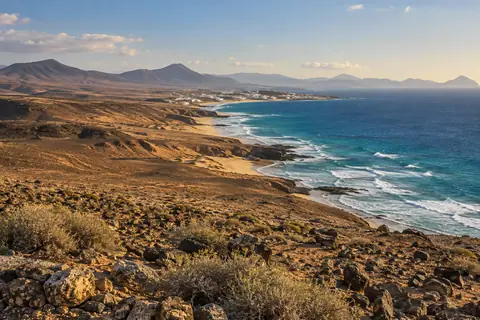
The island tourism page uses the Popcorn Beach nickname for El Hierro beach. Other map and social-media listings often associate it with Bajo de la Burra. The Cabildo describes rhodolith deposits at several northern coastal places, including Majanicho and Bristol.
This means a photograph, nickname and map pin may not refer to the same stop. Confirm the actual beach name and location before planning access or a meeting point. Do not combine directions to one place with pictures or expectations from another.
Understand what you are looking at
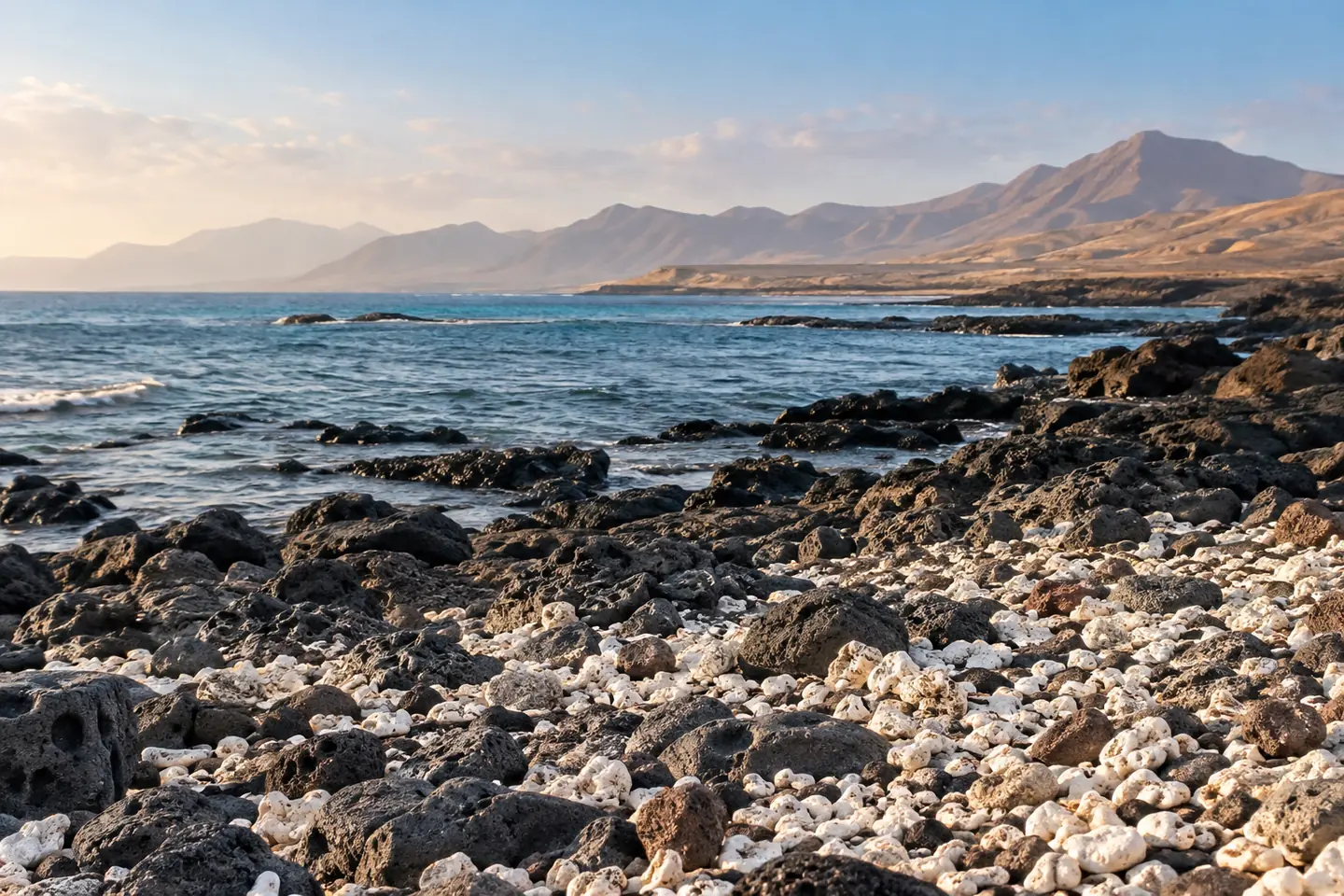
The Cabildo explains rhodoliths as calcareous algae formed at sea. Once deposited on the coast, their gradual breakdown contributes to beach sand. Their unusual shape is part of a continuing natural process.
Looking closely makes the visit more interesting than simply reproducing a social-media pose. Keep the pieces on the shore: taking just a handful becomes a larger loss when many visitors do the same. Photographs preserve the memory without removing part of the beach.
Check access before choosing the route
Some north-coast routes involve unsurfaced tracks. A rental car being able to move along a track does not establish that the route is permitted, suitable or covered by your rental agreement. Read the terms and use lawful roads and parking.
If access is uncertain, choose another coastal visit rather than improvising across open ground. The north has plenty to enjoy without turning a short stop into a difficult drive. The transport guide helps compare the practical options.
Give the stop a realistic purpose
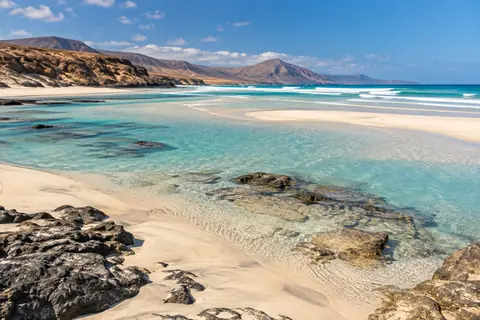
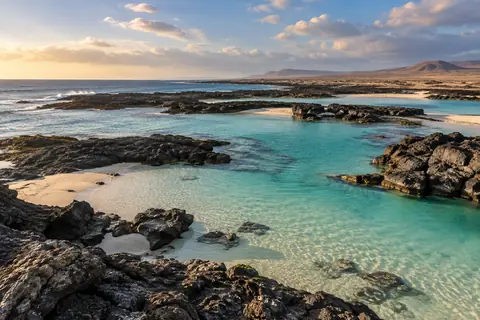
Come for the shoreline, the unusual material and the broader north-coast landscape. It is better to plan a modest stop that meets those expectations than a whole beach day built around one close-up photograph.
Carry water and sun protection, wear suitable footwear and take all rubbish away. Do not assume cafés, toilets or a supervised bathing area are available at the chosen location. If someone in the group needs reliable facilities or an easy approach, investigate those before travelling.
Separate a photo visit from a swimming plan
A beach's unusual appearance says nothing about currents, waves or the ease of entering the sea. Check local signs and conditions, and keep well away from breaking waves while taking photographs.
If swimming is the priority, use the beach comparison to choose an appropriate place and then follow the conditions on arrival. Do not enter rough water simply because you have already made the journey to a famous beach.
Leave more than the rhodoliths alone
The same principle applies to shells, sand, stones and plants. Leave them where they belong, do not build towers and keep to permitted access. The Cabildo's environmental guidance connects these materials with the functioning of the coast.
Avoid staging photographs that disturb the beach or encourage others to collect pieces. With children, the visit can become a short lesson in looking carefully and leaving a place intact. You do not need to carry a natural object home to remember it.
Choose an easy north-coast alternative if needed
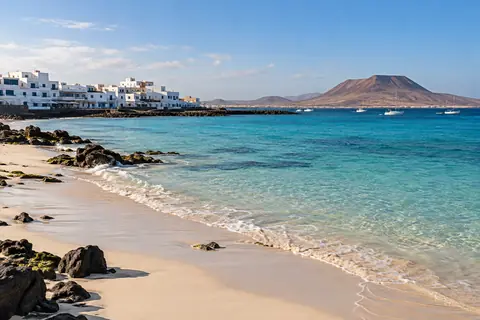
If access or weather makes the planned stop impractical, Corralejo's waterfront or El Cotillo can offer a simpler coastal outing. Keeping the day flexible avoids making the nickname more important than the holiday.
For a broader route, use the northern Fuerteventura guide and choose one main activity. A rhodolith stop works best as an optional addition when lawful access and conditions fit, not as the reason to rush every other place.
Questions worth asking
Are the white pieces actually popcorn?
No. They are natural rhodolith material associated with calcified algae. The nickname describes their appearance.
Can I take a few pieces home?
Leave them on the beach, along with shells, stones and sand. The Cabildo asks visitors to preserve these natural materials because they are part of the coastal environment.
Where exactly is Popcorn Beach?
The nickname is used inconsistently. Official tourism refers to El Hierro, while other listings often mean Bajo de la Burra. Verify the precise named location and access rather than relying on the nickname alone.
Official sources & further reading
Check the linked operator or authority for current access, timetables and conditions before you go.
- Fuerteventura Tourism: Popcorn Beach and El Hierro
- Cabildo de Fuerteventura: rhodoliths and natural coastal materials
- Cabildo de Fuerteventura: protection of rhodolith deposits
- Canary Islands Government: safety at sea